History and Memory To what extent was the decline of Yiddish among Jews in German-speaking Central Europe between 1782 and 1871 caused more by state-sponsored reforms than the Haskalah What Determined Victory Technology, Internal Strength, and Strategy in the Two World Wars The Political, Economic, and Social Effects of the Two World Wars The Weimar “Golden Era” Prosperity Built on Fragile Foundations The Treaty of Versailles A Fragile and Contested Peace Settlement Is peace in the West Bank and the Gaza Strip possible The Rise of Hitler and Mussolini A Comparative Study of Crisis, Violence, and Elite Complicity The Weaknesses of Liberal Italy and Mussolini’s Rise to Power in 1922 The Rise of Mussolini Political Skill and the Weakness of His Opponents The Collapse of the Weimar Republic Structural Fragility and Crisis Foreign Policy as a Tool of Power The Rise and Erosion of Mussolini’s Dictatorship, 1922–1939 Explaining Hitler’s Rise to Power Structure, Agency, and Opportunity The Limits of Fascist Social and Economic Policy in Mussolini’s Italy The Consolidation of Hitler’s Dictatorship, 1933–1934
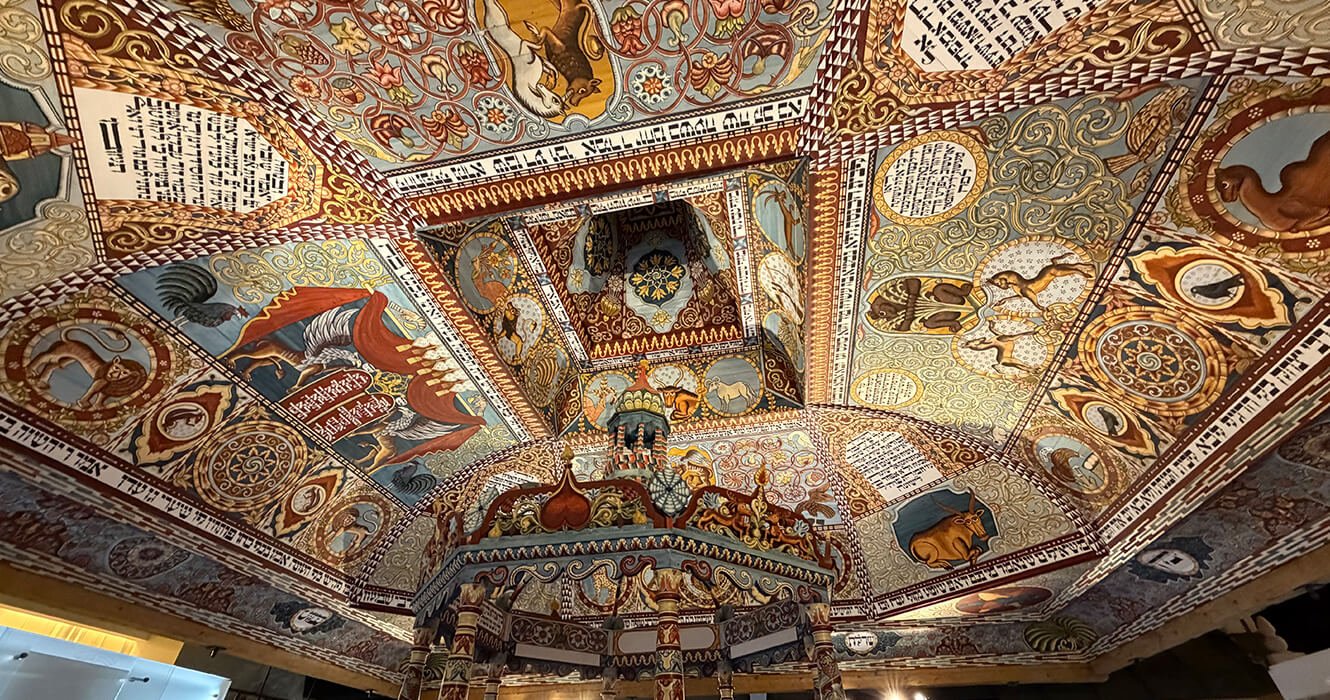
To what extent was the decline of Yiddish among Jews in German-speaking Central Europe between 1782 and 1871 caused more by state-sponsored reforms than the Haskalah